

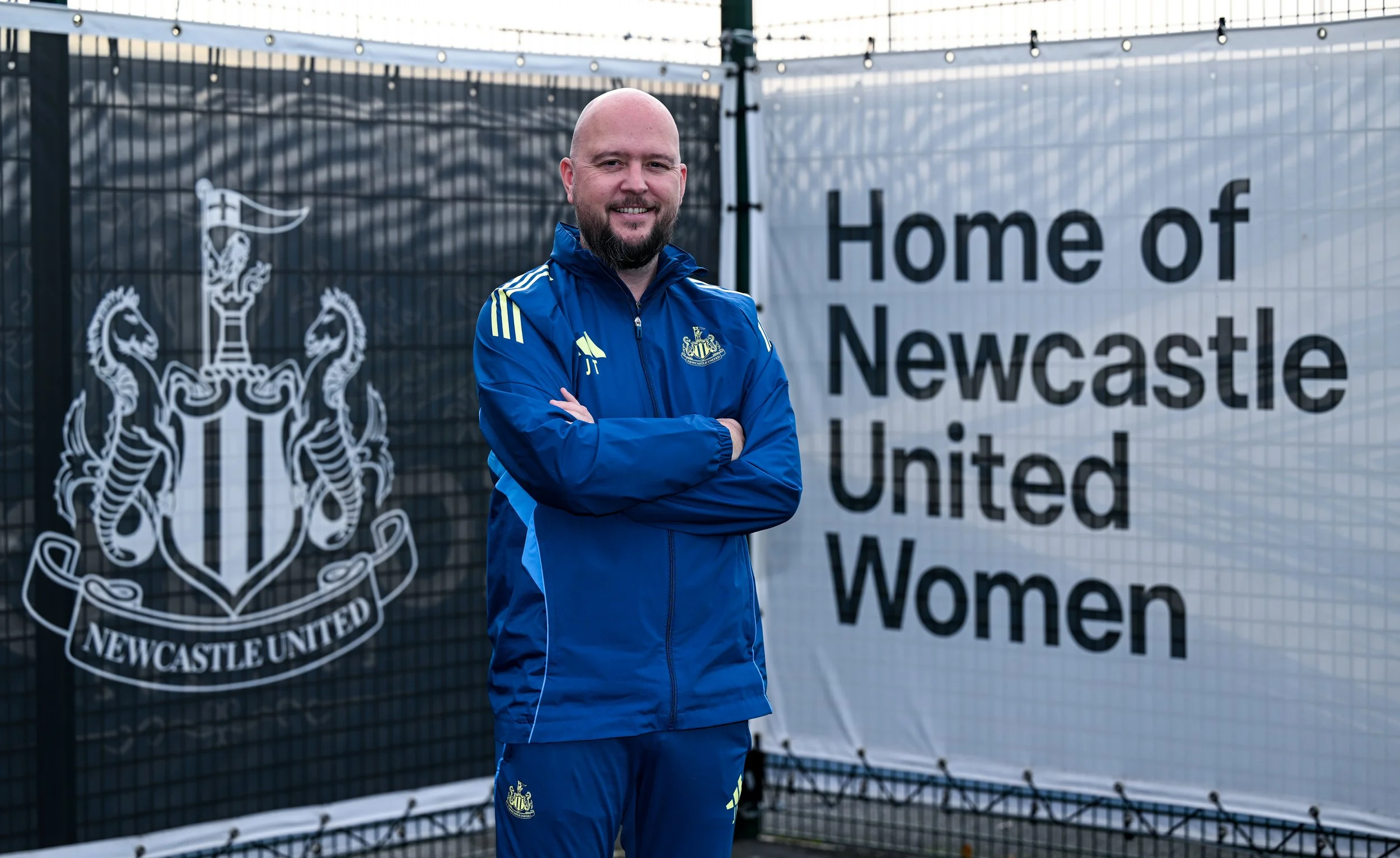
A Game Model Built on a Daily Standard
Everything I do as a coach is built on one foundational belief: improvement is not an event. It is a daily discipline. It is a standard you set, a culture you build, and a commitment you demand — from yourself first, and then from every player in your squad.
Twenty-five years coaching at the highest levels of the women's game — national teams, elite academies, first team football — has sharpened one conviction above all others: the coaches and players who win consistently are not the most talented. They are the most prepared.
That is the philosophy. That is the standard.
BETTER • EVERY • DAY
Featured in:









The Game Model
My teams play with a clear identity. There is no ambiguity in how we want to play — every player, on every pitch, in every session, understands the game we are building.
A game model isn't a formation drawn on a whiteboard once a season and forgotten. It's the shared understanding that connects every player to a common way of playing — reinforced daily, until it becomes instinct rather than instruction.
I don't ask players to memorise patterns. I ask them to understand principles, so that when the picture in front of them changes, they can solve it without waiting to be told. That's the difference between a team that plays well when the plan works, and one that plays well regardless.
Four pillars define how we play. Together, they are non-negotiable.
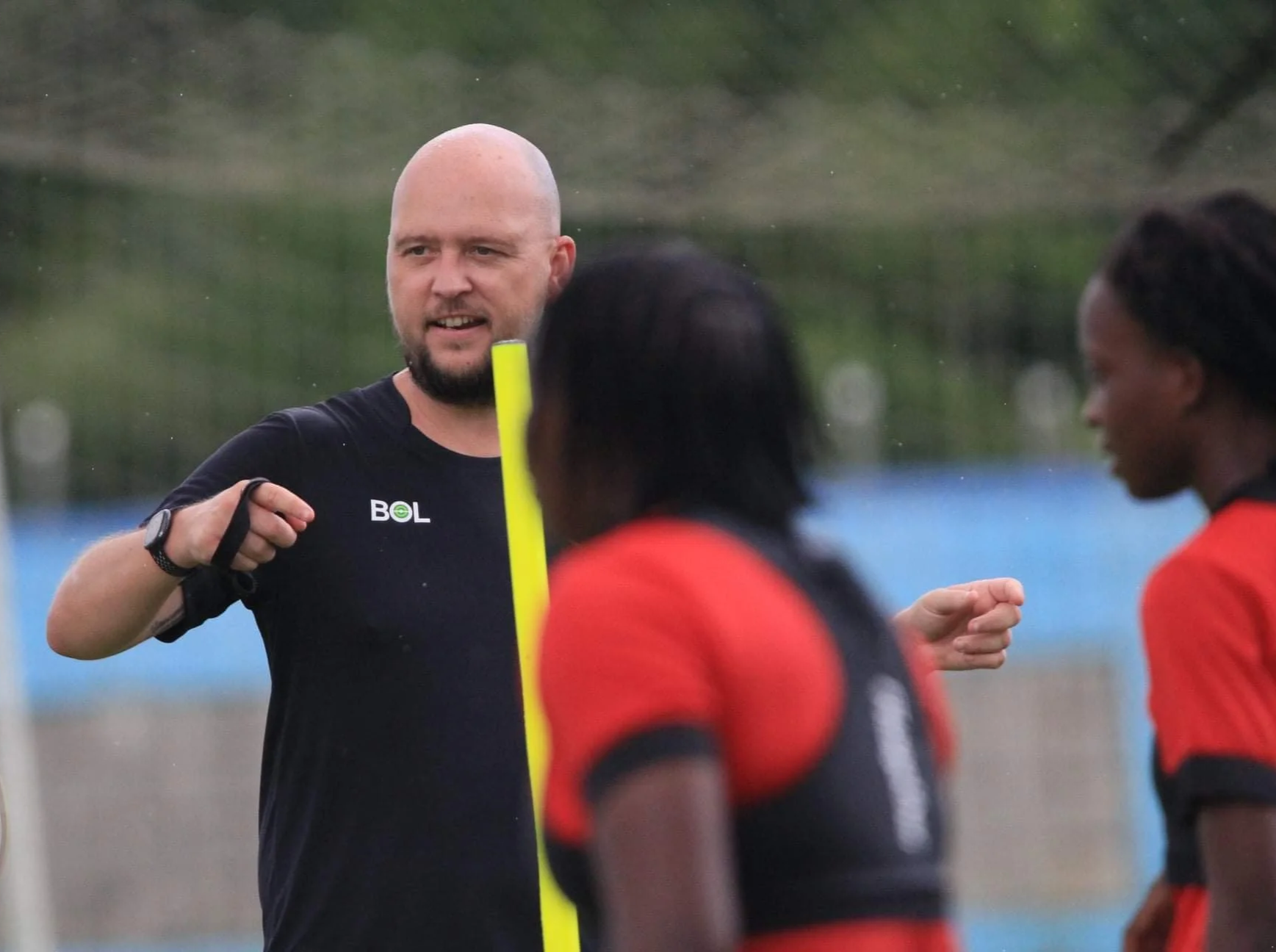
Progressive Possession
We control games through the ball.
Possession is purposeful — we build from the back with intention, move through lines with precision, and use the ball to create advantages that unlock opposition defences.
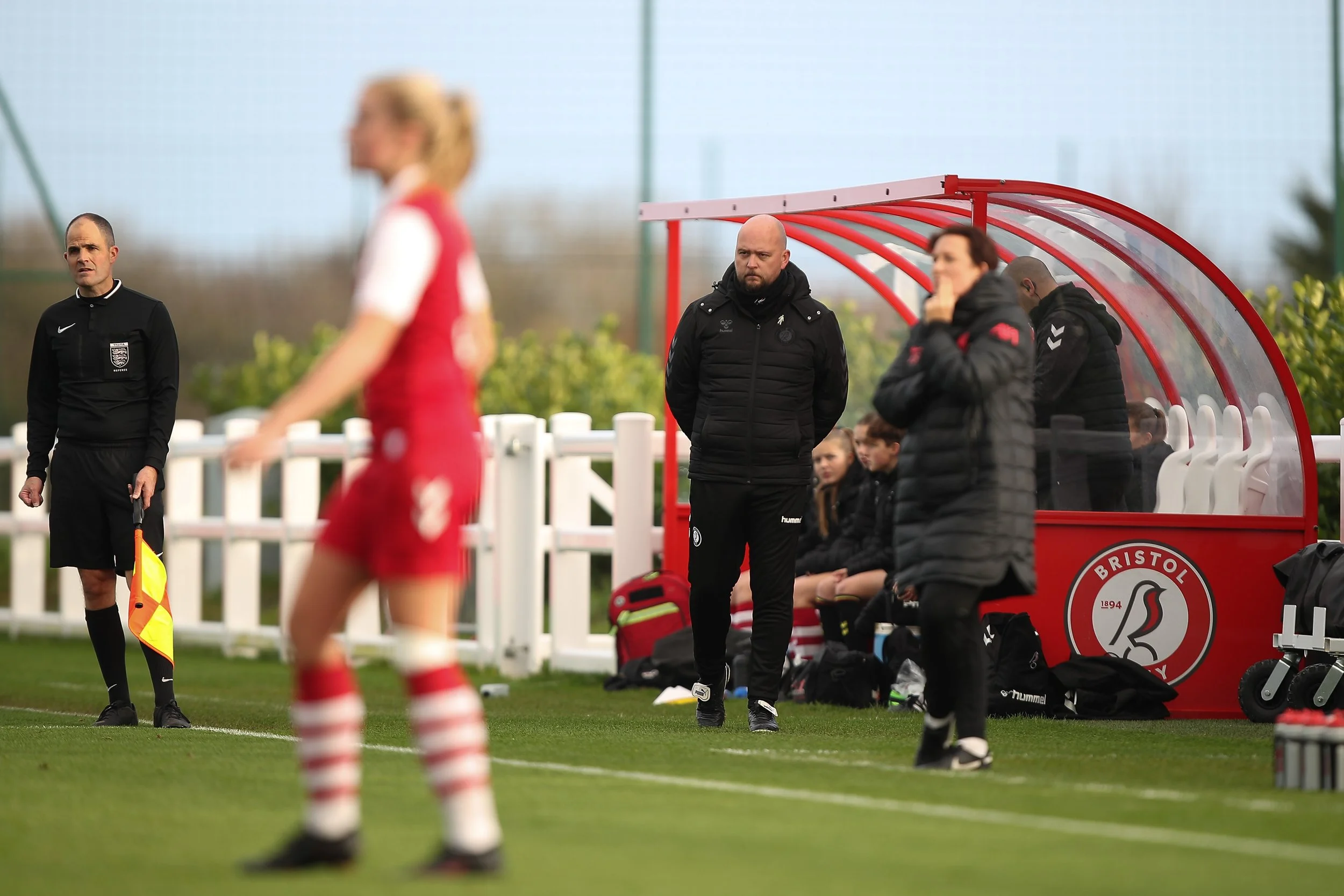
High Press
We press with collective aggression and individual intelligence. When we do not have the ball, we hunt it. RELENTLESSLY.
The press is not reactive — it is planned, triggered, and executed with discipline.
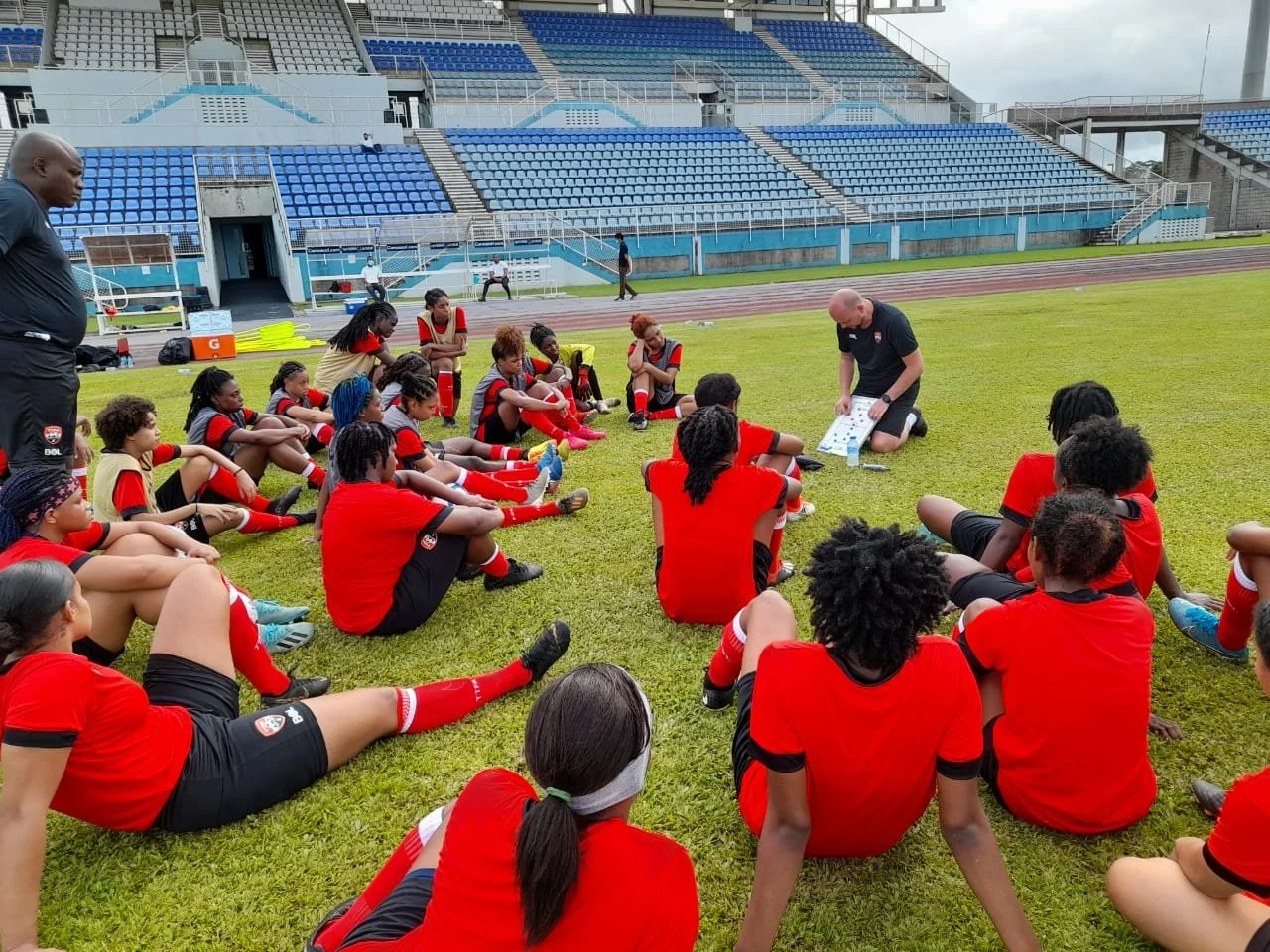
Ruthless Transitions
The moments between phases are where games are decided.
We transition to attack at speed. We transition to defend with urgency. Transitions are trained, not left to chance.
Unrelenting Work-Rate
Talent without effort is wasted potential. My teams work. They press for ninety minutes, track runners, cover ground, and compete for every second ball.
The demand is high — because the game demands it.
How it is built everyday
A game model is only as good as the daily environment that produces it. This is where coaching becomes craft.
CULTURE & ENVIRONMENT
Culture isn't what we say. It's what we do, every single day, whether anyone's watching or not.
Non-Negotiable Standards | Timekeeping, effort, and respect are not aspirations — they are the baseline. Standards set the ceiling for everything else a team can achieve.
Psychological Safety | Players take risks when they trust the environment around them. We build trust deliberately, so players are free to fail, learn, and try again without fear.
Collective Accountability | Nobody is bigger than the environment. Every player holds every other player to the same standard — including the coach.
Daily Habits | Culture is not built in team talks. It's built in the small, repeated actions of an ordinary Tuesday session. We protect the daily habits relentlessly.
PLAYER DEVELOPMENT
Talent gets you noticed. Development is what makes talent last.
Individualised Pathways | No two players develop the same way. Every player has a plan built around their game, their position, and their next step — not a generic template.
Technical Mastery | Fundamentals are never finished. We return to the technical detail constantly, because a player's ceiling is set by their weakest habit, not their strongest skill.
Game Intelligence | Football is played in the head before it's played with the feet. We train decision-making as hard as we train technique.
Character & Resilience | The players who go furthest are rarely the most gifted — they're the ones who respond best when things go wrong. We build that character on purpose.
LEADERSHIP
Leadership is not a title. It's a daily decision to hold the standard, even when it's hard.
Lead by Example | I don't ask for anything I'm not prepared to demonstrate myself — in preparation, in effort, and in how I treat people.
Clear Communication | Ambiguity creates hesitation. Every player, every staff member, knows exactly what's expected of them and why.
Empowered Ownership | Leadership isn't about control — it's about creating leaders within the group. Players are given real ownership over standards, not just instructions to follow.
Relentless Consistency | The standard doesn't move because of a bad result or a good one. Consistency, applied relentlessly, is what separates good environments from great ones.
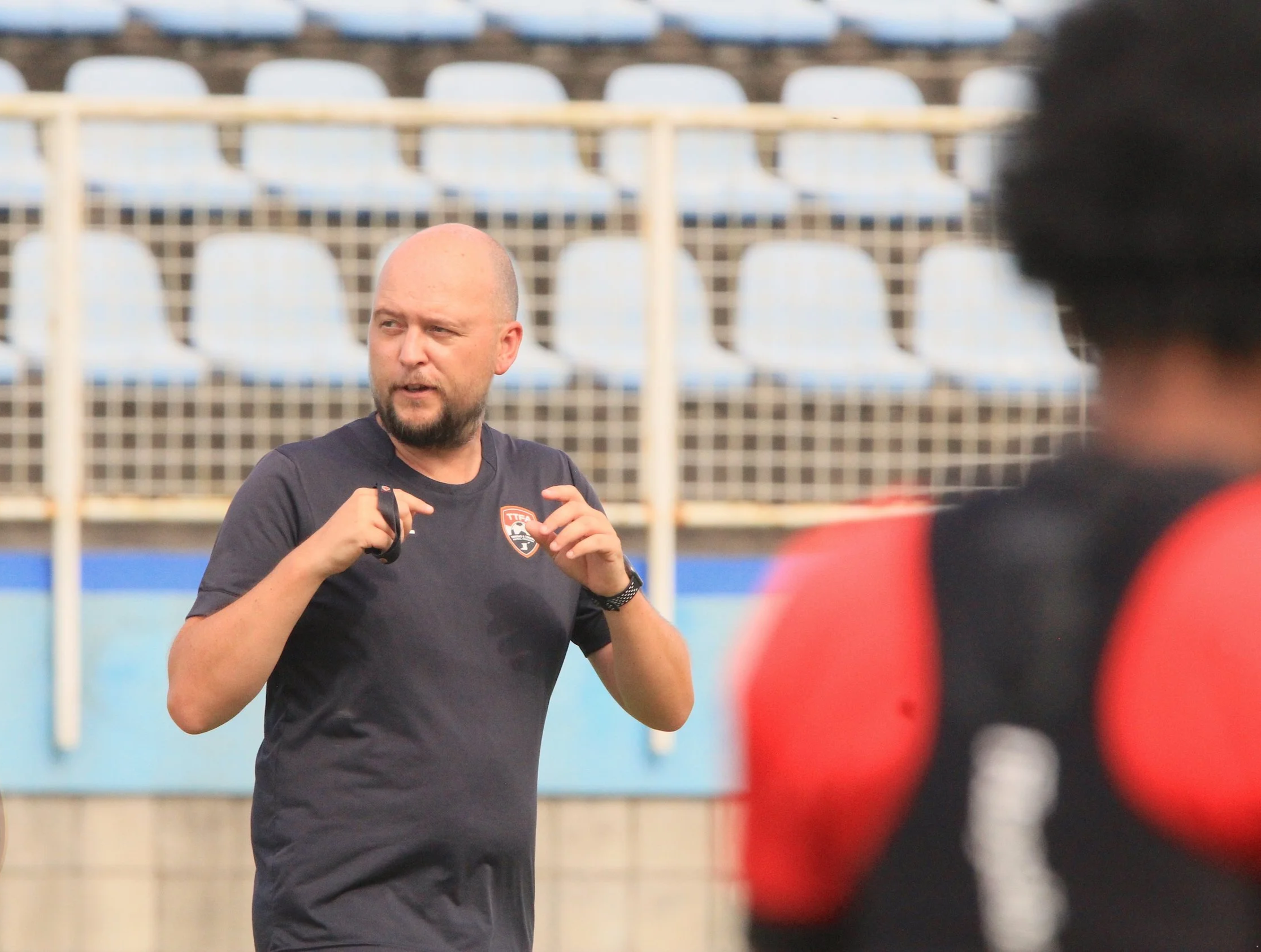
COACHING & LEADERSHIP