

Building Peyia Akamas LFC. Part 1
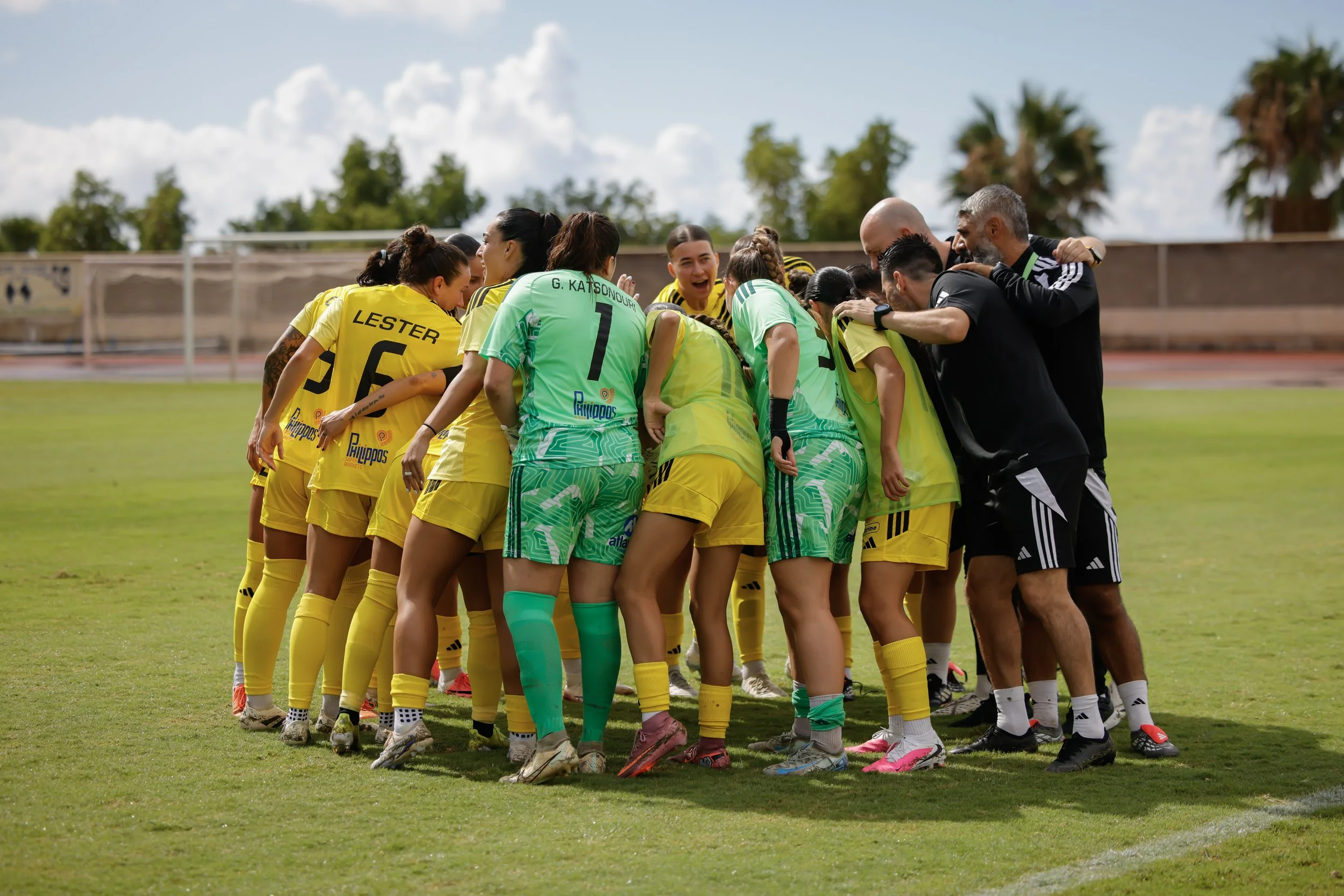
From Recruitment to Reality: Building the Foundations for a Successful Start
Ruthless. Resilient. Relentless.
Those three words have become central to the identity we are building at Peyia-Akamas Ladies FC.
But an identity doesn't appear on matchday.
It is built through the decisions made weeks and months beforehand — in recruitment, planning, preparation, training and the standards we establish every day.
As a brand-new professional women's football club, our first competitive match represented much more than the start of a league campaign. It was the first opportunity to see whether the work we had put in during pre-season could translate into competitive performance.
It did.
Peyia-Akamas 18–0 APOEL.
The scoreline was emphatic, but for me, the most important aspect was how we played.
Recruitment: Building the Right Group
When building a team from scratch, recruitment isn't simply about finding good players.
It's about finding the right players.
We needed players who could contribute technically and tactically, but also players who would embrace the standards, behaviours and culture we wanted to establish.
Our recruitment process therefore went beyond position and playing ability.
We considered:
Technical quality
Tactical understanding
Physical capability
Character and mentality
Previous experience
Adaptability
Leadership qualities
How each player would complement the group
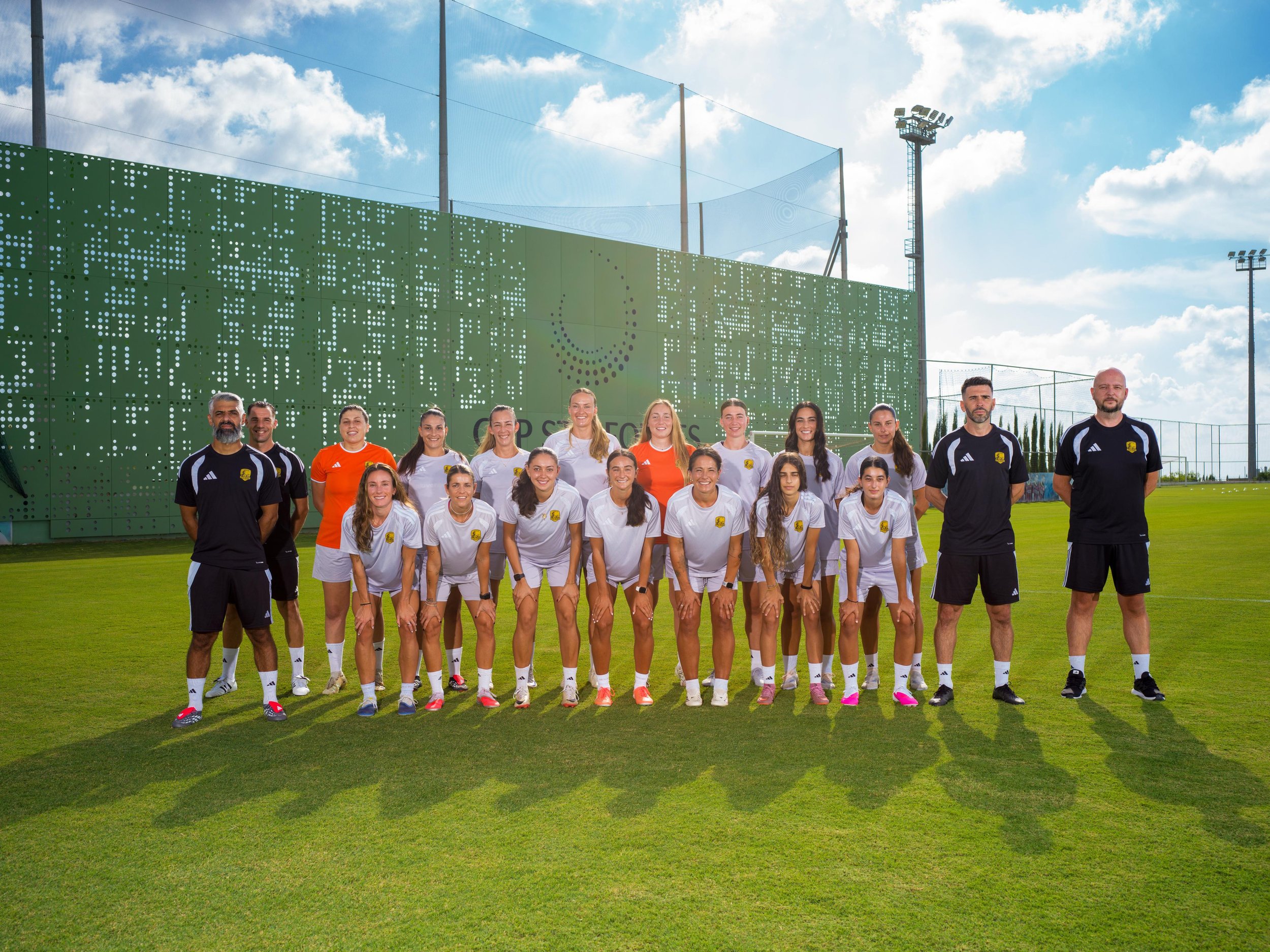
We weren't simply assembling a squad.
We were building a team.
That distinction became increasingly important as pre-season progressed.
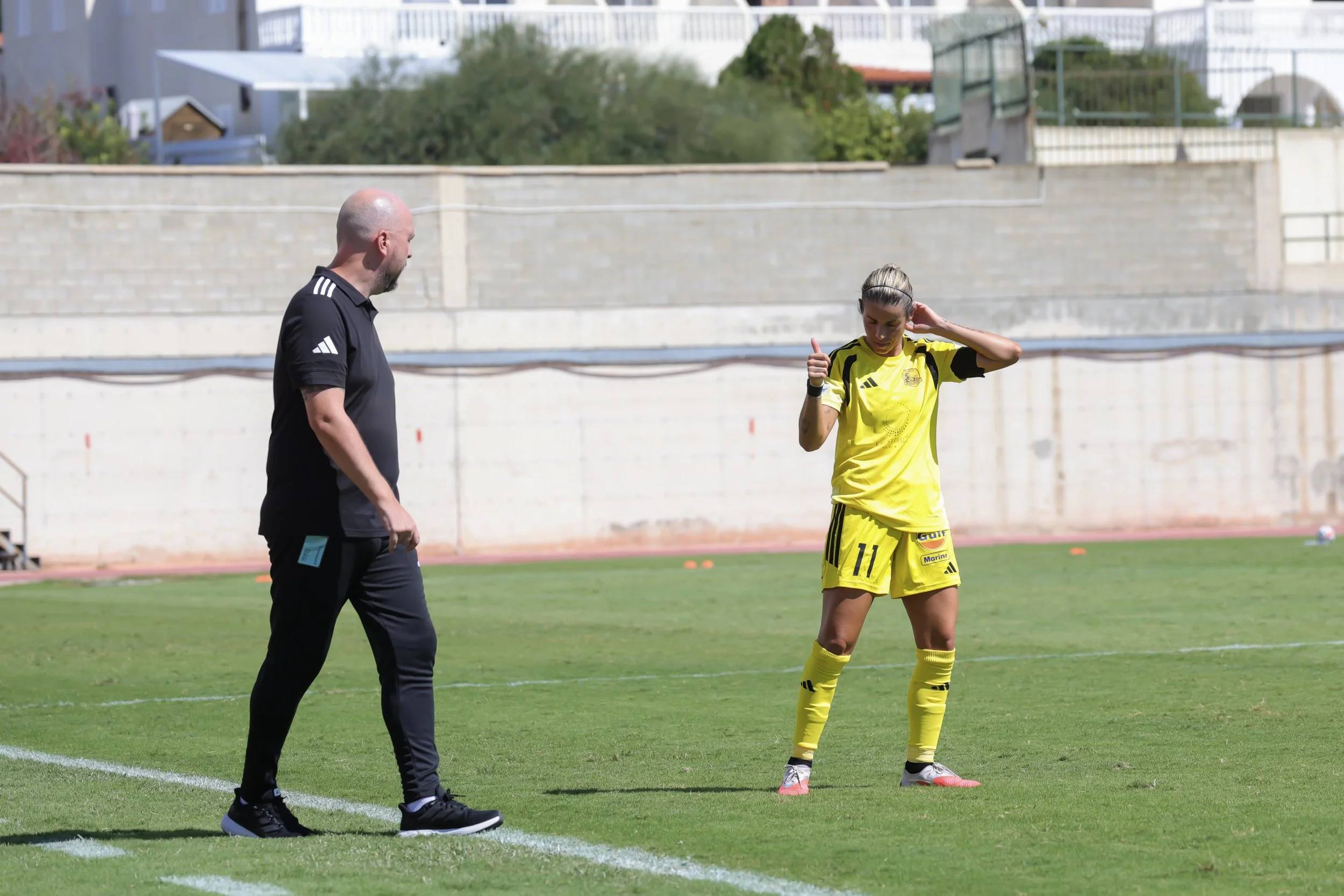
Preparation: Establishing Our Foundations
The first weeks of pre-season were about creating the foundations from which we could build.
Our focus was not simply on preparing for the first fixture.
We wanted to develop the behaviours that would ultimately define us.
That meant working on five key areas:
1. Team chemistry
Bringing together players from different backgrounds and experiences and creating a genuine team environment.
2. Leadership
Identifying the players who could influence the group and establishing shared responsibility for our standards.
3. Staff alignment
Ensuring the technical staff understood the game model, our expectations and how we wanted to develop the players.
4. Technical and physical development
Building the physical capacity required to compete while developing the technical qualities needed to execute our style.
5. Our tactical game model
Gradually introducing how we wanted to play — with clarity around our principles rather than overwhelming the players with information.
The objective was to make the complex simple.
Planning: Connecting the Training Week to Matchday
As the opening fixture approached, our planning became increasingly specific.
Every session needed a purpose.
We wanted a clear connection between:
What we wanted to do → how we trained it → how we expected it to appear in the game.
Our training environment therefore had to challenge the players while giving them enough clarity and repetition to build confidence.
We weren't preparing for a friendly.
We were preparing to compete for points in the Cyprus Women's Championship.
That distinction matters.
Delivery: Ruthless, Resilient, Relentless
Then came matchday.
The challenge was to transfer everything we had worked on into a competitive environment.
And this is where our three words became particularly important.
Ruthless
We wanted to be aggressive in our execution.
When opportunities appeared, we wanted to take them.
When we entered dangerous areas, we wanted quality and conviction.
When we had the opportunity to regain possession, we wanted to attack the moment.
Resilient
A team isn't defined only by what happens when everything goes well.
We wanted players to remain connected to our principles, maintain our standards and continue to make good decisions throughout the game.
Relentless
Perhaps most importantly, we wanted to keep going.
The intensity.
The pressing.
The running.
The communication.
The desire to improve.
Regardless of the scoreline, our expectation was that our standards would remain the same.
That mentality ultimately produced an 18–0 opening victory.
The Scoreline Is the Outcome — The Process Is the Story
It would be easy to look at 18–0 and simply focus on the number.
But for me, the more important story is everything that came before it.
The recruitment.
The conversations.
The planning.
The training.
The staff alignment.
The development of relationships.
The introduction of our game model.
The establishment of standards.
And finally, the players taking all of that work onto the pitch.
That is what building a team looks like.
And while we can be proud of the way we started, one result doesn't define us.
Our challenge now is much harder:
Can we reproduce those behaviours every week?
Can we remain ruthless when the game is difficult?
Can we remain resilient when we face setbacks?
Can we remain relentless when the opposition makes things uncomfortable?
That's the standard we want to establish at Peyia-Akamas.
Because ultimately, we're not trying to build a team that can produce one big result.
We're trying to build a team with an identity.
Ruthless. Resilient. Relentless.
BETTER • EVERY • DAY