

One Vision, One Direction
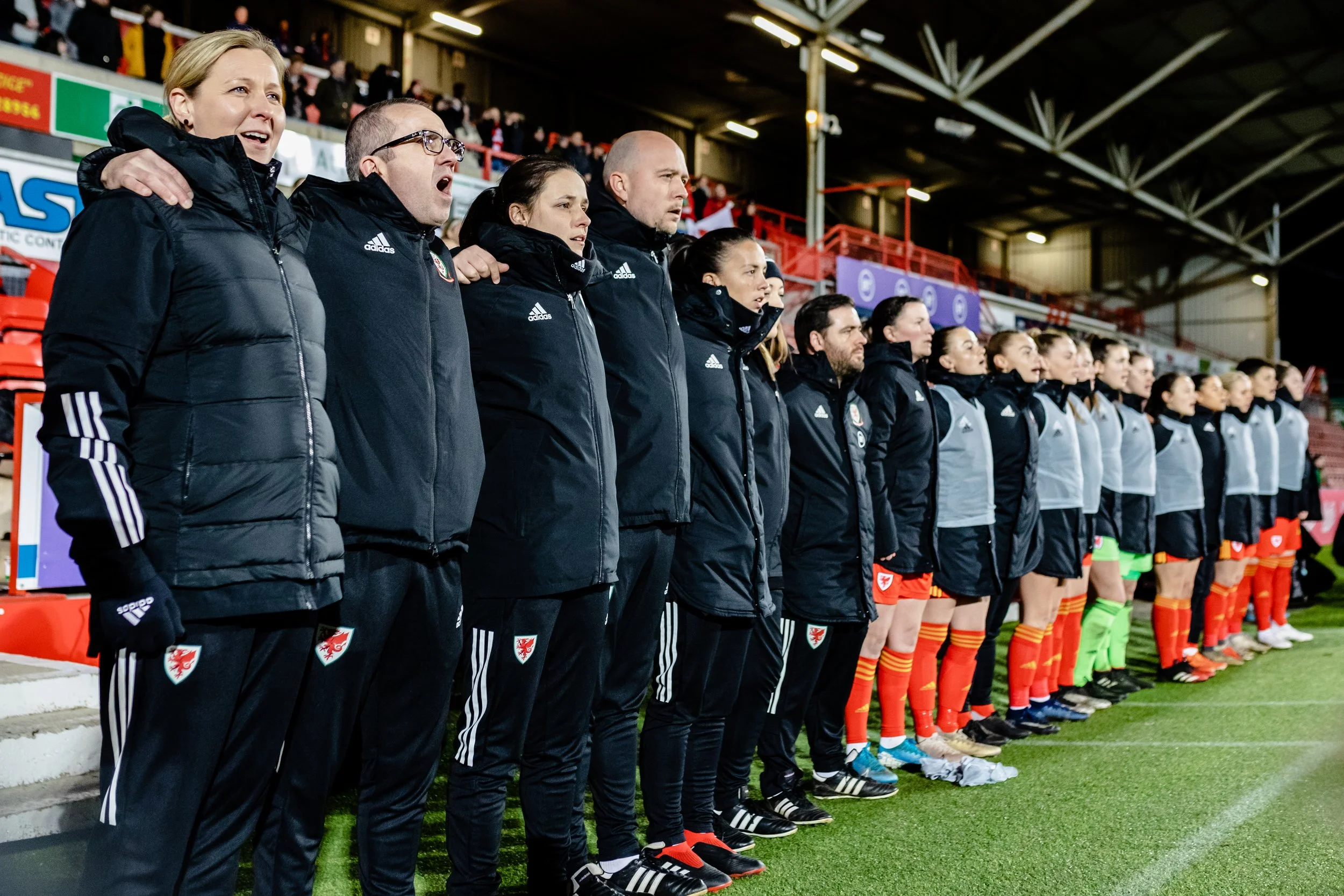
One Team. One Message. One Standard.
The Power of Collaboration Within a Coaching Team
Throughout my coaching journey, one thing has become increasingly clear: no single coach develops players or builds successful teams alone. Behind every thriving academy environment is a coaching team that works collaboratively, communicates consistently, and aligns around a shared vision.
Too often, coaching can become siloed. Different age groups, different coaches, and even different philosophies can exist within the same club. When that happens, player development becomes fragmented. Messages are mixed, expectations shift, and ultimately, players are left trying to adapt to inconsistency rather than progressing with clarity.
If we want both individual development and team success, alignment across the coaching team isn’t just helpful—it’s essential.
Consistency Creates Clarity for Players
Players, especially in academy settings, need clear and consistent messages. When coaches are aligned:
Players understand expectations regardless of which coach they work with
Key principles of play are reinforced daily
Development feels progressive rather than repetitive or conflicting
Without that alignment, a player might be encouraged to take risks in one session, then criticised for the same behaviour in another. Over time, this creates hesitation—and hesitation limits development.
A collaborative coaching team ensures that everyone is pulling in the same direction, giving players the confidence to fully commit to their actions.
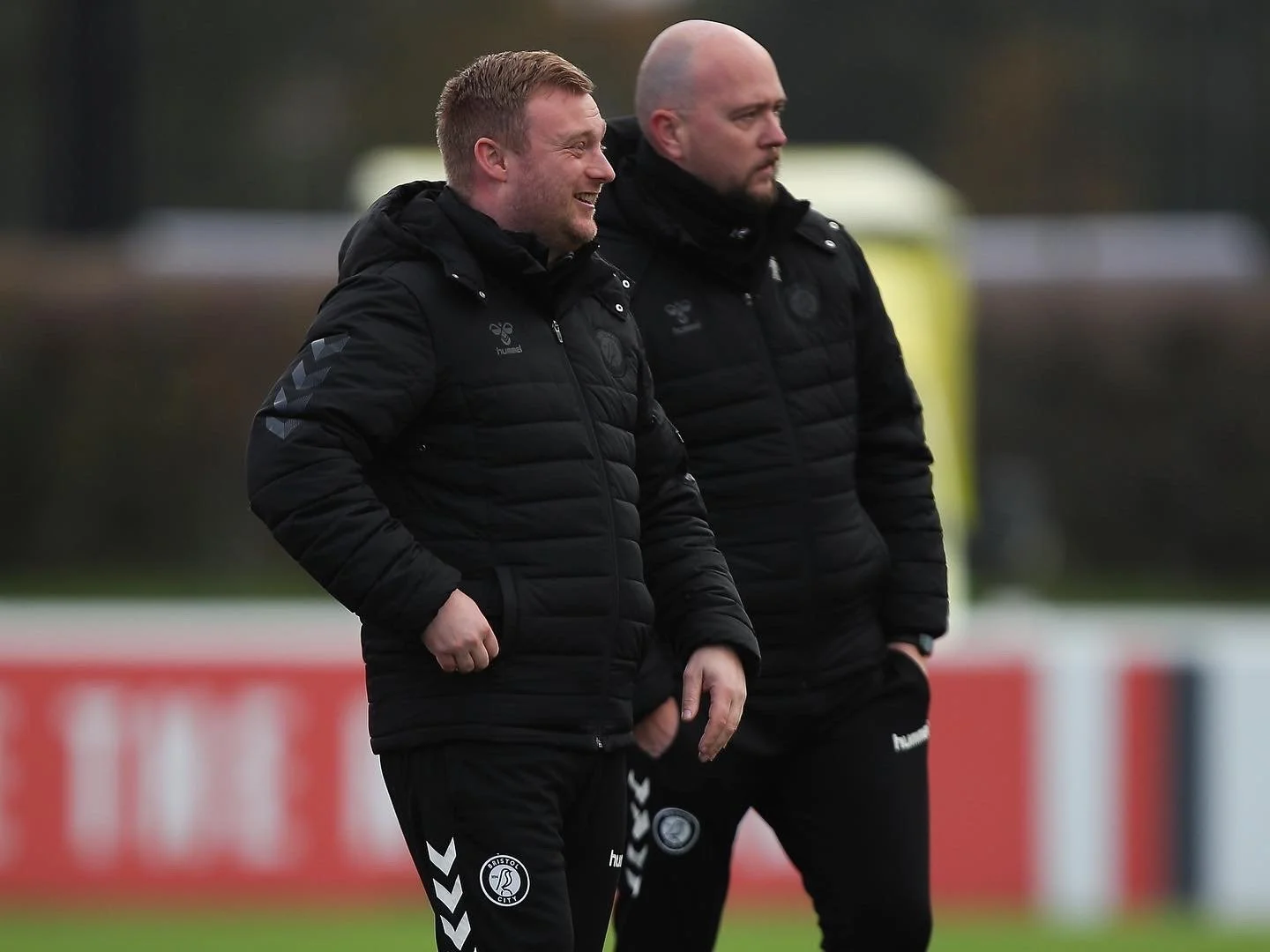
Aligning Development with Team Identity
Every academy or team should have an identity—how it plays, how it trains, and what it values. But that identity only becomes meaningful when it is lived consistently across all coaches.
Collaboration allows coaching staff to:
Agree on core principles of play
Define what “success” looks like at each stage of development
Build a shared language that players can understand and grow with
This doesn’t mean every coach must be identical in personality or style. In fact, diversity in coaching approaches can be powerful. The key is that all approaches still connect back to the same underlying philosophy.
When alignment exists, players transition more smoothly between age groups and levels because the environment feels familiar—even as the challenges increase.
Communication Is the Foundation
Effective collaboration doesn’t happen by chance—it requires intentional communication.
Regular conversations between coaches create opportunities to:
Share insights on individual players
Discuss challenges and solutions
Reflect on what is working and what needs to improve
This could be through formal meetings, informal discussions, or shared session planning. What matters most is that communication is ongoing, open, and honest.
When coaches talk, players benefit.
“WHAT is the message, HOW is it being delivered, and WHO is delivering it?”
Collective Responsibility for Player Development
One of the biggest shifts in mindset is moving from “my team” to “our players.”
In a truly collaborative environment:
Player development is a shared responsibility
Coaches support each other rather than compete
Decisions are made with long-term growth in mind
This approach prevents short-term thinking, where success is measured only by results on match day. Instead, the focus remains on preparing players for the next stage of their journey.
It also creates a stronger support network for players. When multiple coaches understand and invest in a player’s development, the experience becomes richer and more impactful.
Balancing Development and Winning
There is often a perceived tension between player development and team success. In reality, the two should go hand in hand—and collaboration is what bridges that gap.
When coaches are aligned:
Training sessions are designed with both individual growth and team objectives in mind
Players understand their roles within a bigger picture
Performances become more consistent because the team operates with shared understanding
Winning becomes a by-product of doing the right things consistently, rather than the sole focus.
The Role of Leadership Within the Coaching Team
For collaboration to thrive, there must be leadership—not just from a head coach, but across the entire staff.
Strong coaching teams:
Encourage open dialogue and shared ideas
Value each coach’s perspective and expertise
Hold each other accountable to agreed standards
Leadership in this context isn’t about control—it’s about creating an environment where collaboration can flourish.
Final Thoughts
A cohesive coaching team is one of the most powerful tools in player development. When coaches align, communicate, and work together, they create an environment where players can truly thrive.
Success is no longer defined by isolated results or individual sessions, but by the collective progress of players and the consistency of the environment around them.
In the end, it comes back to a simple question: are we operating as individuals sharing a space, or as a team working toward a shared purpose?
Because when coaches work as one, everything else—development, performance, and success—tends to follow.
BETTER • EVERY • DAY
About James Thomas
James Thomas is an elite women’s football coach and high-performance leader with experience across international football, professional academies and national talent development programmes. James is a regular guest on coaching and leadership podcasts, as well as a guest expert on Elite Soccer Coaching. For more information visit : JamesThomas.coach