

Rethinking Player Development
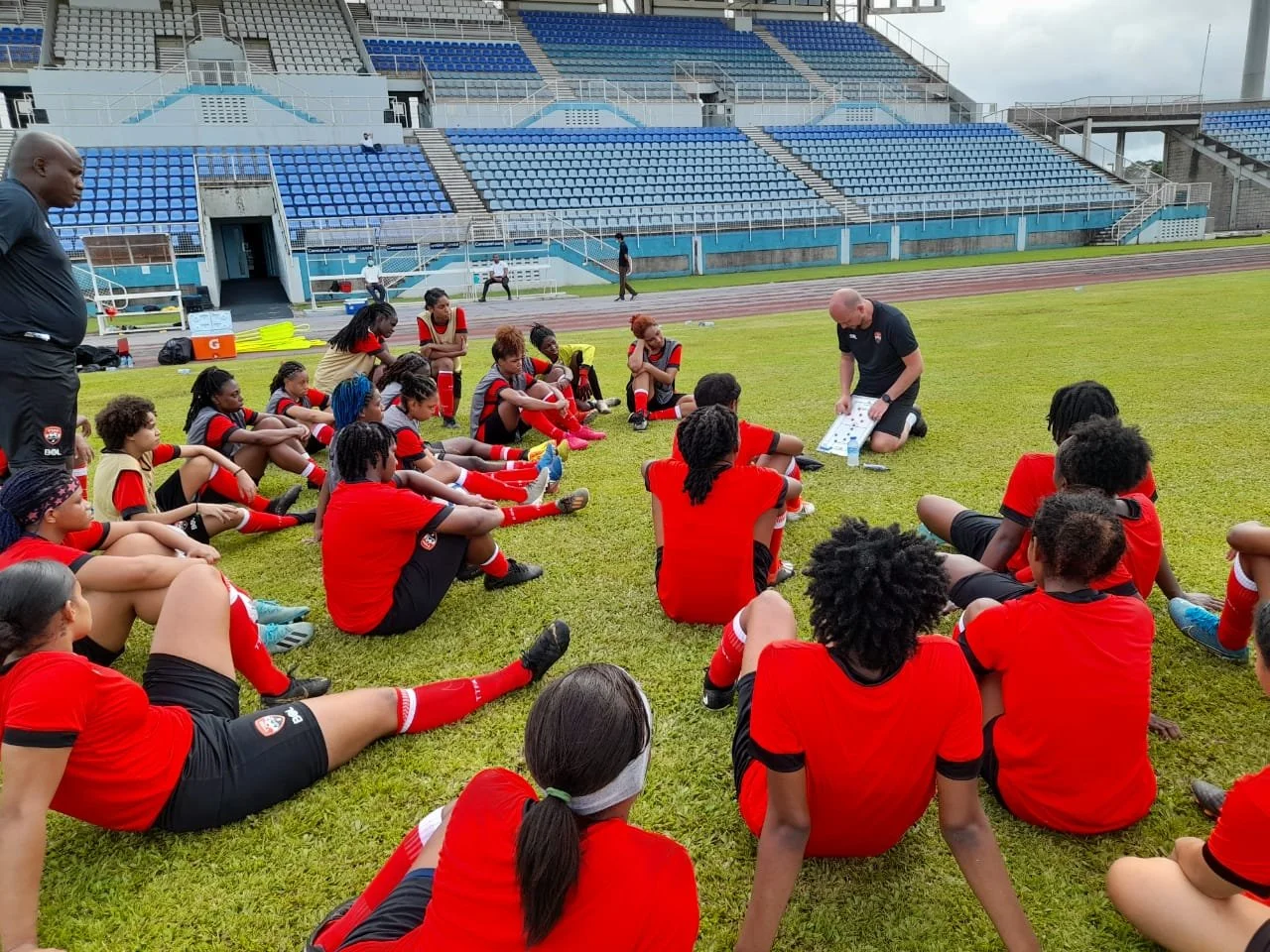
Are You Coaching Followers or Thinkers?
Challenging Athletes to Think Differently in Academy Environments
Player development within academy systems has evolved significantly over the past decade. While technical ability, physical conditioning, and tactical understanding remain essential, the modern game increasingly demands something less tangible but equally critical — the ability to think differently.
Too often, academy environments fall into predictable patterns — structured drills, repetitive scenarios, and coach-led decision-making. These methods build foundational skills, but they can limit a player's creativity, adaptability, and game intelligence. If we want to develop complete players, we have to move beyond teaching what to do and instead challenge athletes to understand why and when to do it. That's the standard I've tried to build into every academy environment I've led — better players, not just better-drilled ones.
The Problem With Over-Coaching
In many academies, coaches instinctively step in to correct mistakes immediately. It's well-intentioned, but it can create dependency — players begin looking to the sidelines for answers rather than solving problems themselves.
True development happens in moments of uncertainty. When players are forced to make decisions under pressure, without constant instruction, they begin to build game awareness, decision-making speed, and confidence in their own judgement.
Instead of stopping practices to fix every error, let play continue and use guided questions afterwards — what options did you see in that moment? Why did you choose that pass? What could you try next time? This shifts learning from passive reception to active discovery.
Designing Practices That Challenge Thinking
If we want players to think differently, training sessions have to reflect that goal — moving away from rigid drills and toward adaptable, game-like scenarios.
Constraints-based training — modify rules or conditions to force players to find new solutions. Limit touches in certain areas, award extra points for switching play, or create numerical overloads and disadvantages. These constraints encourage creativity and problem-solving without explicitly telling players what to do.
Variable practice — avoid repeating the exact same scenario. Change the pitch size, alter team shapes, adjust starting positions. Players learn to adapt rather than memorise patterns.
Scenario-based learning — present specific match situations such as protecting a lead, breaking down a low block, or transitioning quickly after regaining possession. Ask players to collaborate and experiment with solutions, reinforcing collective understanding.
Developing Decision-Makers, Not Just Athletes
Academy players often excel in structured environments but struggle when games become chaotic. The difference lies in decision-making.
Encouraging players to think differently means allowing mistakes as part of learning, rewarding brave and creative choices, and creating an environment where questioning is welcomed. When players feel safe to experiment, they begin to take ownership of their own development.
The Role of the Coach
The coach's role is shifting from instructor to facilitator. Rather than providing all the answers, effective coaches design challenging environments, ask the right questions, and observe and guide rather than control. That doesn't mean stepping back entirely — it means being intentional about when and how to intervene.
The Long-Term Impact
Players developed this way tend to adapt quicker to higher levels of the game, handle pressure more effectively, demonstrate greater tactical flexibility, and show increased confidence and leadership. In a game that's constantly evolving, the ability to think differently is often what separates good players from great ones.
Final Thought
Academy development is no longer just about producing technically proficient players. It's about shaping intelligent, adaptable individuals who can navigate the unpredictability of real competition.
By challenging players to think differently — through smarter coaching, varied training, and an emphasis on decision-making — we prepare them not just for the next match, but for the demands of the modern game.
The question for every academy is simple: are we creating players who follow instructions, or players who can solve the game for themselves?
BETTER • EVERY • DAY
About James Thomas
James Thomas is an elite women’s football coach and high-performance leader with experience across international football, professional academies and national talent development programmes. James is a regular guest on coaching and leadership podcasts, as well as a guest expert on Elite Soccer Coaching. For more information visit : JamesThomas.coach